Certainty
The need to understand where we are, what is expected of us and what happens next.
In practiceClear routes, visible landmarks and an obvious next step.
AHFE 2026 · Paper 126
I study how people respond to layout, lighting, sound and spatial order, then advise organisations what to change so their spaces work better for the people using them.
30+ years across design and hospitality4,500+ field observationsUnited Kingdom / China
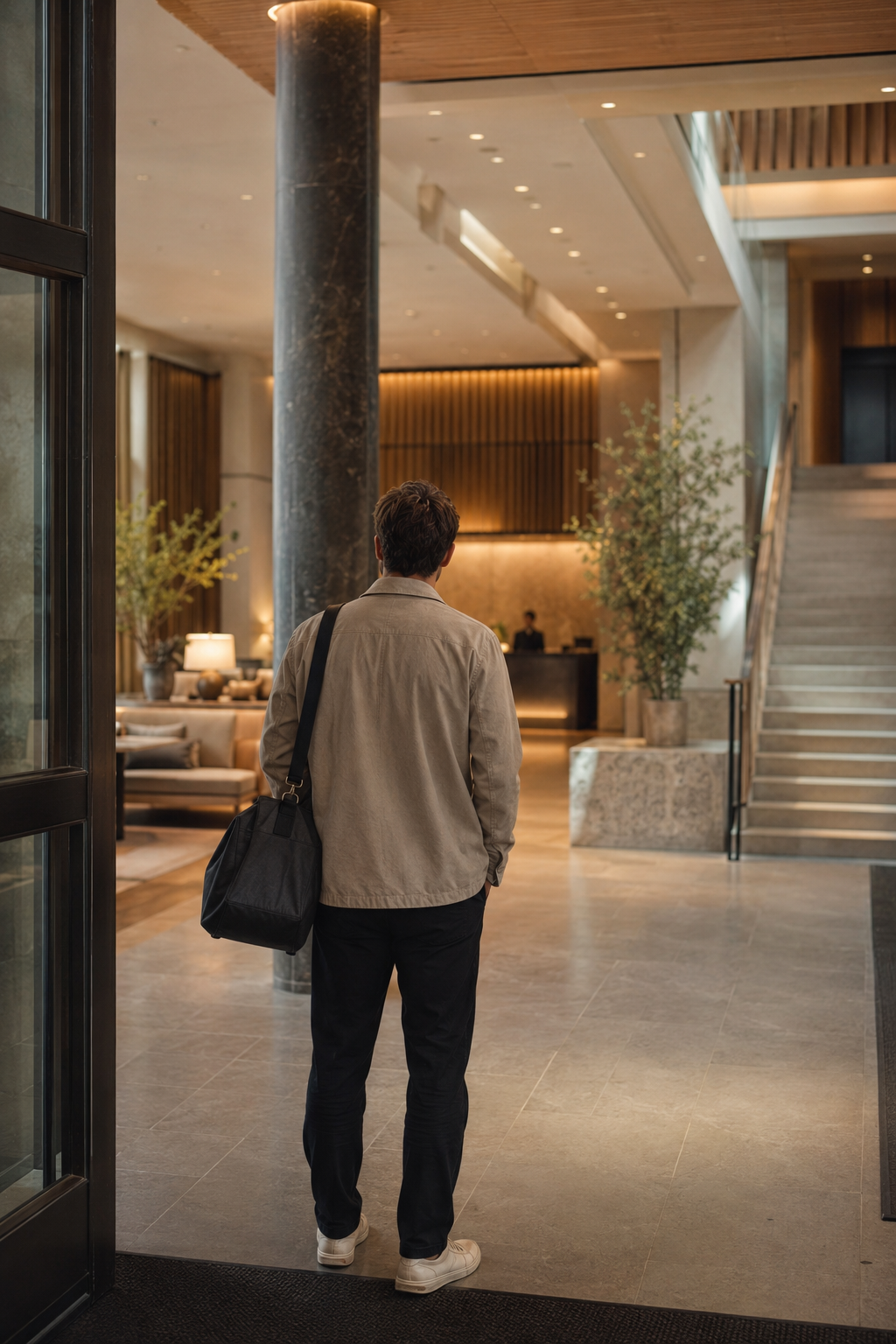
People read a space before they understand it.
The framework
An attractive and functional space can still leave someone feeling uncertain, unnoticed or disconnected.
The Six Human Needs framework helps reveal what may be missing. It considers how layout, lighting, sound, materials and sequence can better support the people using the space.
This is not a new theory of human behaviour. The difference lies in how observations are collected in layers, connected and used to guide practical design decisions.
The need to understand where we are, what is expected of us and what happens next.
In practiceClear routes, visible landmarks and an obvious next step.
The need for change, discovery and enough difference to keep attention alive.
In practiceChanges in light, texture or view that reward attention.
The need to feel noticed, valued and treated as someone who matters.
In practicePersonal choice and details that show someone matters.
The need to belong, feel welcome and connect comfortably with other people.
In practiceSeating and shared spaces that make interaction feel natural.
The need for an environment to support learning, progress and possibility.
In practiceSpaces that support learning, exploration and progress.
The need to take part, give something back and feel useful to others.
In practiceOpportunities to participate, personalise or give something back.
A plan shows how a space is meant to work.
People’s behaviour shows how it actually works.
How clients can work with me
I can join at the first client conversation, remain involved through design and return after completion.
Begin with the earliest client conversations and build a structured profile of the people, priorities and human needs the project should support.
Review a project or completed environment and provide a written report explaining what was observed, what it may mean and what should be explored next.
Work alongside the client and project team, from the early design stages through completion, helping decisions remain connected to the people who will use the space.
This can include returning after completion to observe the space in use and guide any adjustments.
Introduce the Six Human Needs through the lens of design using clear ideas, practical examples and real observations.
A useful next step
Tell me briefly about your project, and I will reply personally to arrange a suitable time.
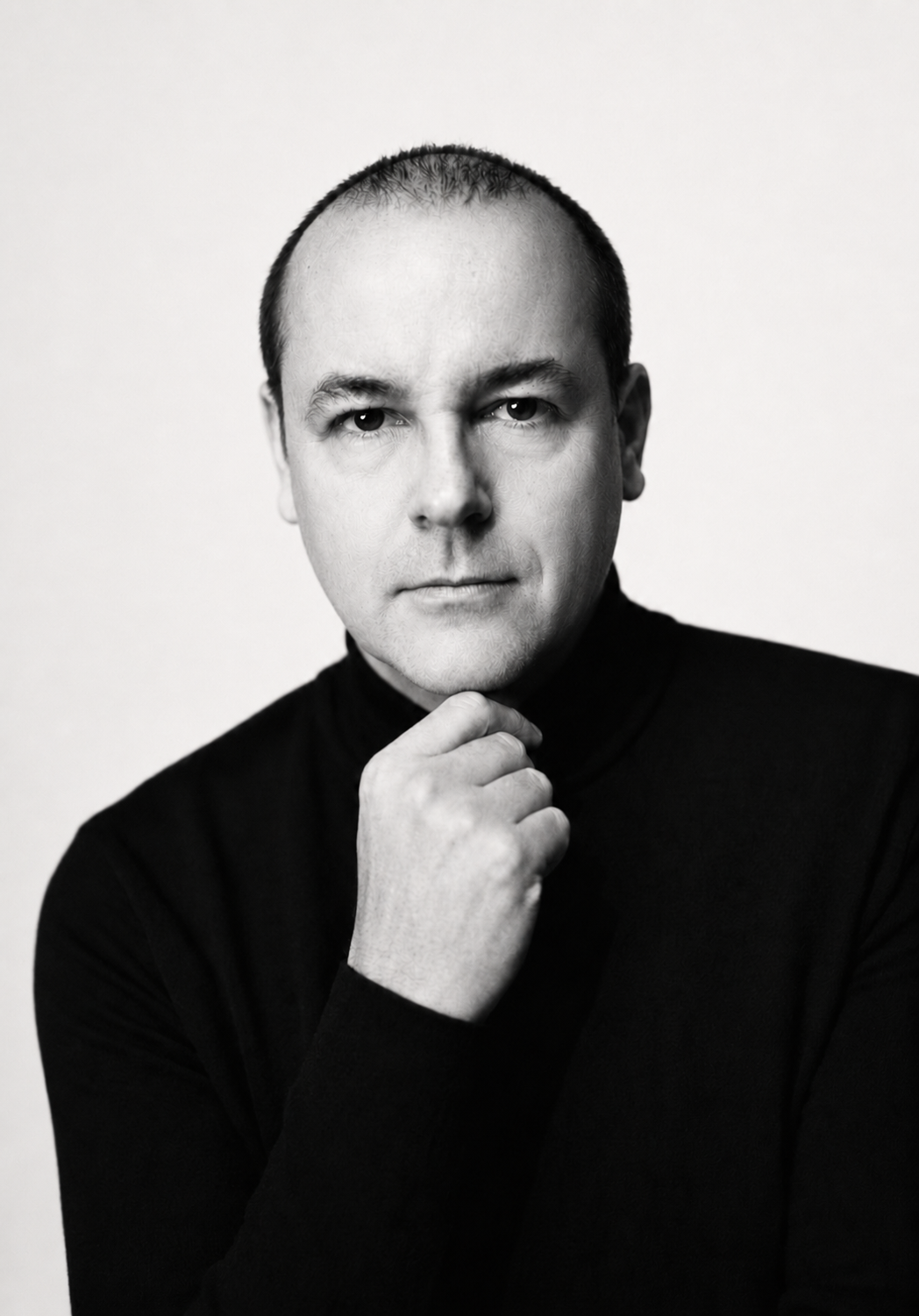
About David
I started by designing spaces. Over time, I became more interested in the people using them.
I began working in Hong Kong in 1992 and have been based in Shenzhen since 2007. My design work has included offices, shops, apartments, individual rooms for private clients, showrooms and clubs, including jazz venues.
My observational research is broader than my project portfolio. I study how people respond in hotels, hospitals, dental clinics, airports and other public and private environments.
Over time, I became less interested in whether a finished space matched the drawing and more interested in what happened when people began using it.
Where did they stop? What did they misunderstand? What helped them feel comfortable enough to move forward?
Training as an English Butler-Valet taught me anticipation and service. Wing Chun taught me to notice movement, balance and response. Co-founding Penny Black Jazz Club gave me a living environment in which to observe how atmosphere, service and spatial choices affect human connection.
I now bring these experiences together as a Design Behaviour Specialist, helping clients and project teams understand how their decisions may affect the people who will use the space.
AHFE 2026
Paper 126Conference paper
A Behaviour-Centred Framework for Emotional Connection in Physical Spaces
The paper presents a practical way to connect human needs with observable behaviour and physical design. It considers environments including hotels, hospitals, classrooms and airports, where people often need to understand what is happening before they can move forward with confidence.
View the paperLibrary
The Library brings together David’s public writing, selected field notes and practical resources. Here, you can follow how his ideas develop and connect. His complete research archive, methods and unpublished framework development remain private.
The archive is being prepared.An archive of posts shared across David’s social media channels.
Longer, developed pieces about design and behaviour.
Original observations, patterns, evidence and developing ideas.
The regular newsletter and its complete archive.
Cheat sheets, worksheets and practical tools.
The mission
If you are planning, reviewing or improving an environment, David would be pleased to hear what you are trying to understand.